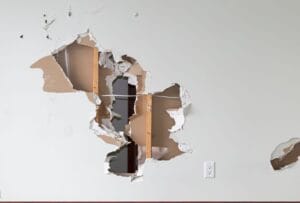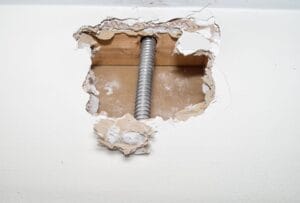
This is the reality for thousands of Bronx homeowners every year. A renovation that started at $30,000 can quietly climb to $45,000 or more once permits, old plumbing, asbestos, change orders, and contractor fine print enter the picture.
At Brilliant Renovation LLC, we have been serving homeowners, landlords, and property managers across the Bronx, Westchester County, and all nearby New York areas for over 12 years. We have seen every hidden cost in the book — and we know exactly how to help you avoid them.
This guide breaks down every hidden cost of home renovation in the Bronx, what causes them, and the smart steps you can take right now to protect your budget before a single nail is pulled.
Why Bronx Home Renovations Cost More Than You Think
Before we get into hidden costs specifically, it helps to understand why New York renovations — including those in the Bronx cost more than almost anywhere else in the country.
According to industry data, national renovation averages are typically 40–60% lower than in NYC. Labor alone accounts for a major portion of that gap, especially when working with licensed trades under a qualified general contractor.
In 2026, renovation costs are up approximately 6–9% compared to 2024 and 2025, driven by labor increases, NYC building code changes, and ongoing tariffs on steel, aluminum, and lumber. These increases are especially noticeable in projects involving electrical work, framing, and HVAC upgrades.
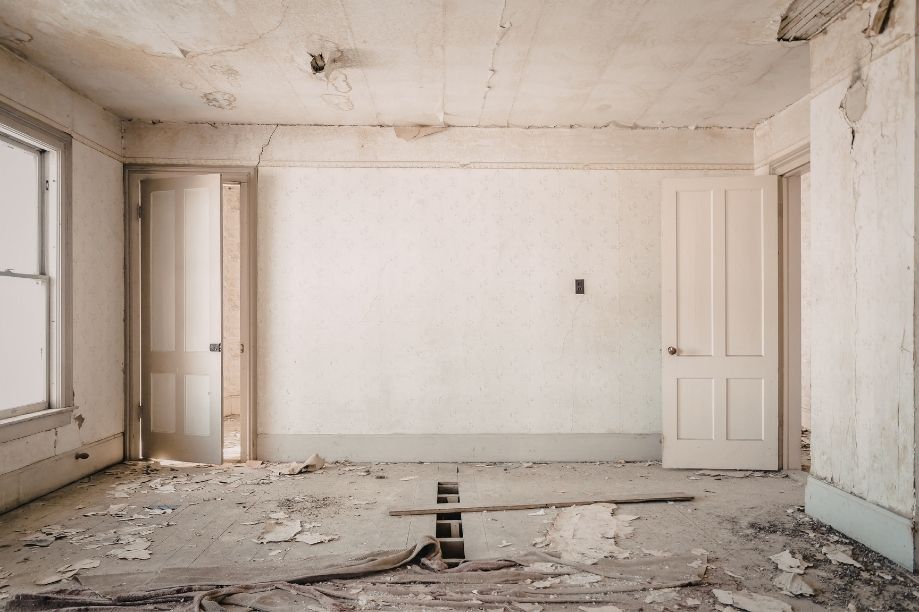
The Bronx also has its own borough-specific considerations. Many Bronx homes are pre-war buildings, older co-ops, and multi-family structures with aging plumbing, outdated electrical systems, and the potential for hazardous materials like asbestos and lead paint. These realities create a landscape where hidden costs are not just possible — they are statistically likely without proper planning.
The Most Common Hidden Costs in Bronx Home Renovations
Here are the hidden costs that catch Bronx homeowners and landlords off guard most often — along with realistic cost ranges based on current NYC market data.
Hidden Cost #1: Asbestos and Lead Paint Abatement
This is one of the biggest surprises in any Bronx renovation involving pre-war or older buildings. New York City’s Department of Buildings (DOB) requires property owners to determine whether asbestos-containing materials are present before any renovation, alteration, or demolition work begins. A DEP Certified Asbestos Investigator (CAI) must inspect the property, and if asbestos is found, a licensed abatement contractor must remove it before any DOB permit can be issued.
Estimated cost: Asbestos abatement typically runs $15–$30 per square foot for removal. Lead paint testing and remediation add additional costs on top of that.
How to avoid being blindsided: Request an asbestos and lead paint survey before finalizing your renovation budget — not after you have already signed a contract and demolished a wall.
Hidden Cost #2: Outdated Electrical and Plumbing Systems
Many Bronx homes have plumbing and electrical systems that were installed decades ago and are no longer up to current NYC building code standards. Once walls open during renovation, contractors may discover wiring that must be fully replaced or plumbing that cannot legally be tied into a new layout without a complete upgrade.
Estimated costs:
- Moving plumbing lines: $8,000–$20,000
- Full electrical panel upgrade or rewiring: $5,000–$20,000 depending on scope
- In older Bronx buildings, NYC electrical code requires BX cable encased in steel or aluminum, which makes electrical work particularly susceptible to cost increases due to current material tariffs
How to avoid being blindsided: Have an experienced local contractor assess electrical and plumbing conditions during the pre-renovation inspection — before any scope of work is finalized.
Hidden Cost #3: Structural Issues Discovered After Demolition
You cannot always see structural problems until the walls, floors, or ceilings come down. Water damage, rotted subfloor, compromised joists, or deteriorated masonry are regularly discovered mid-renovation in Bronx homes — especially in older buildings that have experienced decades of weather exposure and deferred maintenance.
Estimated costs:
- New framing, blocking, and subfloor: $40–$60 per square foot
- Structural engineering assessment: Starting at $5,000
- Custom carpentry for complex layouts: $10,000–$30,000 additional
How to avoid being blindsided: Always budget a contingency fund (see Section 4). A professional pre-renovation inspection by a licensed contractor is essential before signing off on any renovation contract.
Hidden Cost #4: NYC Permit Fees and Filing Costs
Permits in New York City are not optional — they are mandatory for virtually all construction, renovation, and alteration work. The NYC DOB processed over 175,000 permit applications in 2024, and the fees are calculated as a percentage of your total construction cost, typically ranging from 1% to 3%.
For a $100,000 renovation, that means permit fees of $1,000–$3,000 — before accounting for architect or engineer fees ($5,000–$50,000+ depending on project scope), expediter services, and inspection costs.
Working without a proper permit carries severe consequences: Stop Work Orders, fines of $2,500–$25,000 per violation, and legal complications that can complicate the future sale of your property.
The Bronx-specific reality: Contractors who try to estimate NYC permit costs themselves typically get it wrong by around 30–40% because they do not account for all the soft costs — filing fees, potential objections, plan review amendments, and renewal scenarios.
How to avoid being blindsided: Always use a licensed contractor who understands DOB filing requirements. Confirm that permit fees, expediter costs, and inspection fees are explicitly included in your contract — not buried in the fine print as exclusions.
Hidden Cost #5: Temporary Relocation and Storage
Many homeowners plan to stay in their home during renovation — until the walls open, the water shuts off, and the dust becomes unlivable. Temporary relocation costs in New York City can add thousands of dollars to a project, especially for larger renovations.
Estimated costs:
- Short-term NYC rental or extended-stay hotel: $2,500–$6,000+ per month depending on the Bronx neighborhood
- Storage unit rental for furniture and belongings: $150–$400 per month
How to avoid being blindsided: Discuss realistic livability scenarios with your contractor before work begins. Ask specifically: “Will I be able to use my kitchen and bathroom during this phase?” Get a realistic timeline in writing, and factor temporary housing into your renovation budget from day one.
Hidden Cost #6: Waste Removal and Site Cleanup
Demolition and renovation generate significant debris, and hauling it away in New York City is regulated and expensive. Waste removal costs are frequently excluded from contractor quotes or listed as a separate line item that homeowners discover only when the dumpster bill arrives.
Estimated costs:
- Dumpster rental and debris removal in NYC: $500–$2,500+ depending on volume
- Strict NYC debris removal protocols for condos and co-ops add additional compliance costs
How to avoid being blindsided: Ask your contractor directly: “Does your quote include all debris removal and site cleanup from start to finish?” Get the answer in writing.
Hidden Cost #7: Material Price Increases and Supply Chain Delays
In 2026, material costs are up significantly due to ongoing supply chain limitations and tariffs on steel, aluminum, and lumber. These increases affect everything from kitchen cabinets and countertops to plumbing fixtures and electrical materials.
If your renovation timeline runs longer than planned — which is common — materials quoted at the start of a project may be repriced by the time they are ordered. This is especially true for imported tiles, cabinetry, and specialty fixtures.
How to avoid being blindsided: Lock in material pricing in your contract wherever possible. Work with a contractor who has established supplier relationships and can source from multiple vendors to respond to price changes — particularly important for NYC electrical work where BX steel or aluminum cable is required by code.
Hidden Cost #8: Change Orders and Scope Creep
A change order is any modification to the original approved plan during construction. Owner-requested changes during construction — known as “scope creep” — typically add 8–15% to baseline construction costs because mid-project modifications disrupt workflows and require coordination across multiple trades.
Even a simple decision like upgrading countertop material, adding recessed lighting, or changing tile selection mid-project can trigger a change order that adds $2,000–$10,000 to your total.
How to avoid being blindsided: Make all your material selections before work begins. Finalize your design completely before signing a contract. Every change after work starts costs more — period.
Hidden Cost #9: Vague Contracts and Hidden Exclusions
Many homeowners receive a renovation quote and assume it covers everything. It often does not. Contractors may exclude site preparation work, material sourcing fees, permit filing, final cleaning, touch-up painting, or specific trades from their base quote — resulting in invoices for “extras” that the homeowner assumed were included.
How to avoid being blindsided: Never sign a renovation contract that does not spell out the following in explicit detail: material types and grades, scope boundaries, what is excluded, permit responsibilities, payment schedule, and change order procedures.
Hidden Cost #10: Insurance Gaps and Liability
Many Bronx homeowners do not realize that a contractor performing work without adequate insurance leaves the homeowner financially exposed. If a worker is injured on your property and the contractor carries insufficient coverage, you could be held liable.
Co-ops in the Bronx typically require contractors to carry $1–$2 million in liability insurance and may charge renovation deposits, alteration fees, and daily elevator usage fees that add thousands to your total project costs.
How to avoid being blindsided: Before hiring any contractor, verify their insurance coverage and licensing directly through the NYC DOB. Ask for a certificate of insurance and confirm it names you as additionally insured.
NYC Permit and Regulation Costs Most Homeowners Miss
Understanding how NYC permits work is essential for any Bronx renovation. The NYC Department of Buildings issues several types of alteration permits based on project scope:
- Alt-1 (Alteration Type I): Major changes that modify a building’s use, occupancy, or layout. Requires a new or amended Certificate of Occupancy.
- Alt-2 (Alteration Type II): Multiple types of work such as electrical, plumbing, or structural modifications that do not change the building’s occupancy type.
- Alt-3 (Alteration Type III): Minor alterations involving only one type of work.
Work that does NOT require a DOB permit: Painting, wallpapering, flooring replacement (non-structural), replacing cabinets, changing light fixtures, or installing non-structural partitions.
Work that DOES require a permit: Moving or removing walls, adding or altering plumbing, replacing windows or doors, building decks, or any electrical system work.
DOB permit fees are calculated as a percentage of total construction cost, typically 1–3%. Additional costs include:
- Architect or engineer plan preparation: $5,000–$50,000+
- Expediter services for faster approval
- Special inspection fees
- Landmark Preservation Commission (LPC) fees if your building is in a designated area: $95 flat for first $25,000 of work, plus $5 per $1,000 above that
Permit approval times in NYC average 8–12 weeks for standard applications, with complex projects taking 3–4 months. During that time, no work can legally begin — a timeline cost that must be factored into your renovation plan.
How to Budget for Unexpected Renovation Expenses
The single most important financial protection for any Bronx home renovation is a contingency fund. Industry experts and experienced NYC contractors are consistent on this point: reserve an additional 10–20% of your total renovation budget for unexpected expenses that arise during construction.
For a $75,000 renovation, that means keeping $7,500–$15,000 in reserve before the first wall opens. This is not pessimism — it is standard practice in New York City’s renovation market, where hidden conditions in older buildings are the rule, not the exception.
Practical budgeting steps for Bronx homeowners:
- Get at least three detailed written quotes from licensed local contractors. Do not simply choose the lowest number — evaluate what each quote includes and excludes.
- Prioritize your renovation goals before signing anything. Identify what elements are essential and which can be deferred if costs rise.
- Separate wants from needs. Custom cabinetry, high-end finishes, and premium fixtures can always be phased in a future project. Electrical safety and structural integrity cannot.
- Build your contingency into your budget from day one, not as an afterthought. If you can only afford a $60,000 renovation, plan your contractor-facing budget at $50,000 and keep the rest in reserve.
- Ask about financing options for major renovations. NYC offers several homeowner assistance programs worth exploring with a financial advisor.
How to Avoid Contractor-Related Hidden Fees
Choosing the wrong contractor is one of the most expensive decisions a Bronx homeowner can make. Here is what to look for — and what to watch out for.
Green flags — signs of a trustworthy contractor:
- Licensed with the NYC Department of Buildings and holds a valid Home Improvement Contractor (HIC) license
- Carries adequate liability insurance and workers’ compensation
- Provides a detailed, itemized written contract with zero ambiguity about scope and exclusions
- Has verifiable local references from completed Bronx or New York area projects
- Communicates proactively and is upfront about timeline risks and potential cost variables
Red flags — warning signs to watch for:
- Requesting large cash payments or unusually high upfront deposits
- Offering a quote significantly lower than all competitors without explanation
- Vague contracts that describe work in general terms rather than specific materials and scopes
- Unwillingness to pull permits or suggest skipping the permit process to “save money”
- No verifiable local references or reviews
- Bait-and-switch pricing: charging premium material rates while substituting lower-cost materials
Watch for “price padding” and bait-and-switch tactics. Some contractors charge premium prices for materials in their quote but use far less expensive alternatives on the job, pocketing the difference. Always specify in writing the exact materials, brands, and grades you expect — and inspect deliveries before they are installed.
How to Negotiate Your Renovation Contract to Prevent Extra Costs
A well-written renovation contract is your best financial protection. Here is exactly what your Bronx renovation contract must include before you sign:
1. Detailed Scope of Work Every task must be listed explicitly. “Kitchen renovation” is not enough. The contract should specify: cabinet brand and model, countertop material and thickness, tile type and dimensions, fixture brands, and labor scope for each trade.
2. Material Specifications List exact materials including grade, brand, model number, and color where applicable. This prevents substitution and guarantees accountability.
3. Permit Responsibilities Confirm in writing: who files for permits, who pays permit fees, and what happens if permit approval delays the project start.
4. Change Order Procedures All changes to the original scope must be agreed upon in writing and priced before work proceeds. Never accept verbal change order approvals.
5. Payment Schedule Payments should be tied to project milestones, not arbitrary dates. Avoid paying more than 10–15% upfront. A final payment of at least 10% should be held until the project is fully complete and all inspections passed.
6. Timeline and Delay Clauses The contract should state a realistic completion date and outline what happens if the contractor causes delays.
7. Warranty Terms A reputable Bronx contractor should warranty their workmanship for at least one year. Get it in writing.
DIY vs. Professional Services: What Actually Costs More?
DIY renovation sounds like a money-saving solution — but in New York City’s heavily regulated construction environment, it can quickly become the most expensive option of all.
What you can safely DIY in the Bronx:
- Painting (interior, non-structural)
- Cabinet hardware replacement
- Simple tile backsplash replacement (non-load-bearing, non-wet area)
- Landscaping and basic outdoor maintenance
What you should always hire licensed professionals for in the Bronx:
- Any electrical work (NYC code requires licensed electricians for all wiring)
- Plumbing alterations (require licensed plumbers and DOB permits)
- Structural modifications including wall removal
- Roofing, chimney, and masonry work
- Drywall in wet or fire-rated assemblies
- Asbestos or lead paint remediation
Unpermitted DIY work in NYC carries fines of $2,500–$25,000 per violation and can result in Stop Work Orders that halt your entire project. When you sell your property, a buyer’s inspection will reveal unpermitted work — leading to costly renegotiations, price reductions, or deal cancellations.
For Bronx landlords and property managers: unpermitted renovations also create significant liability exposure in tenant-occupied buildings.
The bottom line is clear — for any structural, mechanical, or system-level work in a Bronx home, licensed professional services are not just the right choice. They are the financially protective one.
Energy Efficiency Upgrades That Save Money Long-Term
Not all renovation costs are losses. Certain upgrades actually reduce your ongoing expenses significantly — making them among the smartest investments a Bronx homeowner can make.
High-ROI energy efficiency upgrades for Bronx homes:
- Insulation upgrades: Proper insulation in walls, attics, and basements reduces heating and cooling costs significantly in New York’s climate — year-round savings that compound over time.
- Energy-efficient windows and doors: Replacing drafty original windows in older Bronx buildings reduces both energy bills and noise — a meaningful quality-of-life improvement in urban environments.
- Modern HVAC systems: Updated heating and cooling systems are more efficient and reduce monthly utility costs. Note that some Bronx co-ops prohibit central AC retrofits — confirm building rules before investing.
- Water-efficient plumbing fixtures: Low-flow toilets, faucets, and showerheads reduce water bills, which are a meaningful ongoing expense in New York City.
- LED lighting throughout: Replacing outdated lighting systems with LED throughout a renovation adds only modest upfront cost but delivers years of energy savings.
When planning your Bronx renovation budget, categorize energy efficiency upgrades separately and evaluate each on its payback timeline. Many qualify for NYC or federal energy efficiency incentives that further offset the upfront cost.
How Renovation Affects Bronx Property Value and Tax
For homeowners and landlords in the Bronx, understanding how renovations affect property value and tax liability is essential — and often overlooked.
Renovations that add the most value in the Bronx:
Kitchens and bathrooms consistently deliver the strongest resale value improvement in New York City’s housing market. Even a well-executed mid-range bathroom remodel can significantly improve a Bronx property’s market position and rental appeal — particularly important in a competitive Bronx rental market.
Tax implications of renovation in the Bronx:
Major renovations that increase the assessed value of your property can trigger a property tax reassessment. This is particularly relevant for significant structural additions, new kitchens, or multi-unit conversions. Consult a New York-licensed tax professional or accountant before beginning large-scale renovation work to understand the tax implications specific to your property and neighborhood.
Renovation costs that improve or extend the useful life of a property may be capitalized rather than expensed — a distinction that matters significantly for Bronx landlords and investment property owners managing rental income tax obligations.
The Bronx real estate reality in 2026: The Bronx continues to be one of New York City’s most dynamic boroughs for property value growth. Strategic renovations — particularly those that update kitchens, bathrooms, and curb appeal — position properties well for appreciation in neighborhoods across the Bronx from Riverdale to Pelham Bay to Morris Park.
Renovate for livability first and resale second. The homes that appreciate most are the ones that attract quality tenants or buyers through genuine improvements in livability — not cosmetic updates that don’t hold up over time.
Renovation Tips for Different Types of Bronx Homes
The Bronx has a diverse housing stock, and the hidden costs and renovation challenges vary significantly by building type.
Pre-War Buildings and Older Co-Ops – These are where hidden costs are most likely to emerge. Plaster walls require more labor than modern drywall. Outdated knob-and-tube or early panel wiring often needs full replacement. Asbestos in insulation, floor tiles, or ceiling materials is common. Board approval processes in co-ops can add 4–8 weeks before any work can legally begin.
Multi-Family and Investment Properties – Landlords renovating occupied buildings must comply with NYC tenant protection regulations. Work must not interfere with tenant habitability, and proper notice requirements apply. All renovation work must meet current NYC building code standards — which may trigger upgrades beyond the planned scope.
Detached and Semi-Detached Homes – These properties often have more flexibility in scope but may have deferred maintenance issues — particularly in roofing, masonry, gutters, chimney, and siding — that surface during renovation planning and must be addressed before interior work begins.
Condominiums Condos are generally more flexible than co-ops but still require protection of common areas, strict debris removal protocols, and advance approval from the managing agent. Expect soft costs of $5,000–$30,000 for alteration agreements, architectural plans, permits, special inspections, and insurance requirements in co-op and condo renovations.
Frequently Asked Questions (FAQ)
The most common hidden costs in Bronx home renovations include asbestos and lead paint abatement, outdated electrical and plumbing system upgrades, structural repairs discovered after demolition, NYC DOB permit fees and filing costs, temporary relocation expenses, debris removal, material price increases, contractor change orders, and scope-creep additions. Always budget a 10–20% contingency on top of your base renovation estimate.
The most common hidden costs in Bronx home renovations include asbestos and lead paint abatement, outdated electrical and plumbing system upgrades, structural repairs discovered after demolition, NYC DOB permit fees and filing costs, temporary relocation expenses, debris removal, material price increases, contractor change orders, and scope-creep additions. Always budget a 10–20% contingency on top of your base renovation estimate.
Yes. Most renovation work in the Bronx requires a permit from the NYC Department of Buildings. This includes structural changes, electrical work, plumbing alterations, window and door replacements, and deck construction. Work that does not require a permit includes interior painting, flooring replacement, cabinet replacement, and minor fixture changes. Working without a required permit can result in fines of $2,500–$25,000 per violation and Stop Work Orders.
How do I avoid contractor hidden fees in the Bronx?
Always get at least three detailed written quotes from licensed Bronx contractors. Review every line of the contract and ask what is specifically excluded. Confirm that permits, debris removal, site cleanup, and all trades are included in the base quote. Never sign a contract with vague scope language. Tie all payments to verifiable project milestones, not dates.
What happens if I renovate without a permit in the Bronx?
Renovating without a required NYC permit results in Stop Work Orders, civil fines of $2,500–$25,000 per violation, and potential legal complications. When you sell your property, a buyer’s inspection will reveal the unpermitted work, leading to renegotiations, price reductions, or deal cancellation. Permit compliance is always the correct financial decision.
Does asbestos testing cost extra in Bronx renovation projects?
Yes. In New York City, property owners are responsible for determining whether asbestos-containing materials are present before any renovation or demolition work. A DEP Certified Asbestos Investigator must perform the assessment. If asbestos is found, licensed abatement is required before any DOB permit can be issued. Abatement typically costs $15–$30 per square foot and must be completed by a licensed contractor with independent air monitoring.
What renovations add the most value to a Bronx home or rental property?
Kitchen and bathroom renovations consistently deliver the strongest resale and rental value improvement in the Bronx and across NYC. Energy efficiency upgrades including insulation, modern HVAC, and efficient windows also add long-term value by reducing operating costs. Exterior improvements — roofing, masonry, siding, gutters — protect the structural integrity of the home, which is foundational to property value in the Bronx’s housing market.
How long does a typical home renovation take in the Bronx?
Timelines vary significantly by scope. Kitchen and bathroom mid-level renovations typically run 8–16 weeks from permit approval. Full gut renovations of larger spaces can take 3–6 months or longer when accounting for permit approval time, which averages 8–12 weeks in NYC. Unexpected discoveries during demolition — asbestos, structural issues, outdated systems — can extend timelines further. Always plan for delays and never sign a lease or make a move-in commitment based on an aggressive renovation end date.
Is it cheaper to DIY or hire a professional for Bronx home renovation?
For cosmetic work like painting, DIY can be cost-effective. For any structural, electrical, plumbing, roofing, or system-level renovation in the Bronx, professional licensed services are essential — and ultimately less expensive than the fines, corrections, and liability exposure that comes from unpermitted or unlicensed work. NYC code requires licensed electricians and plumbers for all relevant work, and unpermitted DIY projects can cost more to correct than the original work would have cost to do properly.
Ready to Renovate Your Bronx Home Without the Surprises?
At Brilliant Renovation LLC, transparent pricing is not a selling point — it is how we work every time.
We provide Bronx homeowners, landlords, and property managers with detailed written proposals that spell out exactly what is included, what the permit requirements are, what the realistic timeline looks like, and where the risks are — before you sign a single document.
Our team has been licensed and operating in the Bronx and Westchester County for over 12 years, completing residential and commercial bathroom and kitchen remodeling, drywall, driveways, roofing, skylights, masonry, siding, gutters, chimney repairs, and installations — with no hidden fees and no surprise invoices.
- Licensed and fully insured — Bronx and Westchester County
- Over 12 years serving Bronx homeowners and property managers
- Residential and commercial renovation expertise
- Detailed written contracts with zero vague scope language
- Free, honest, no-obligation quotes
📞 Call us today: +1 917-705-4571 🌐 Visit: brilliantrenovationllc.com
Serving Bronx County · Westchester County · All Nearby NY Areas