
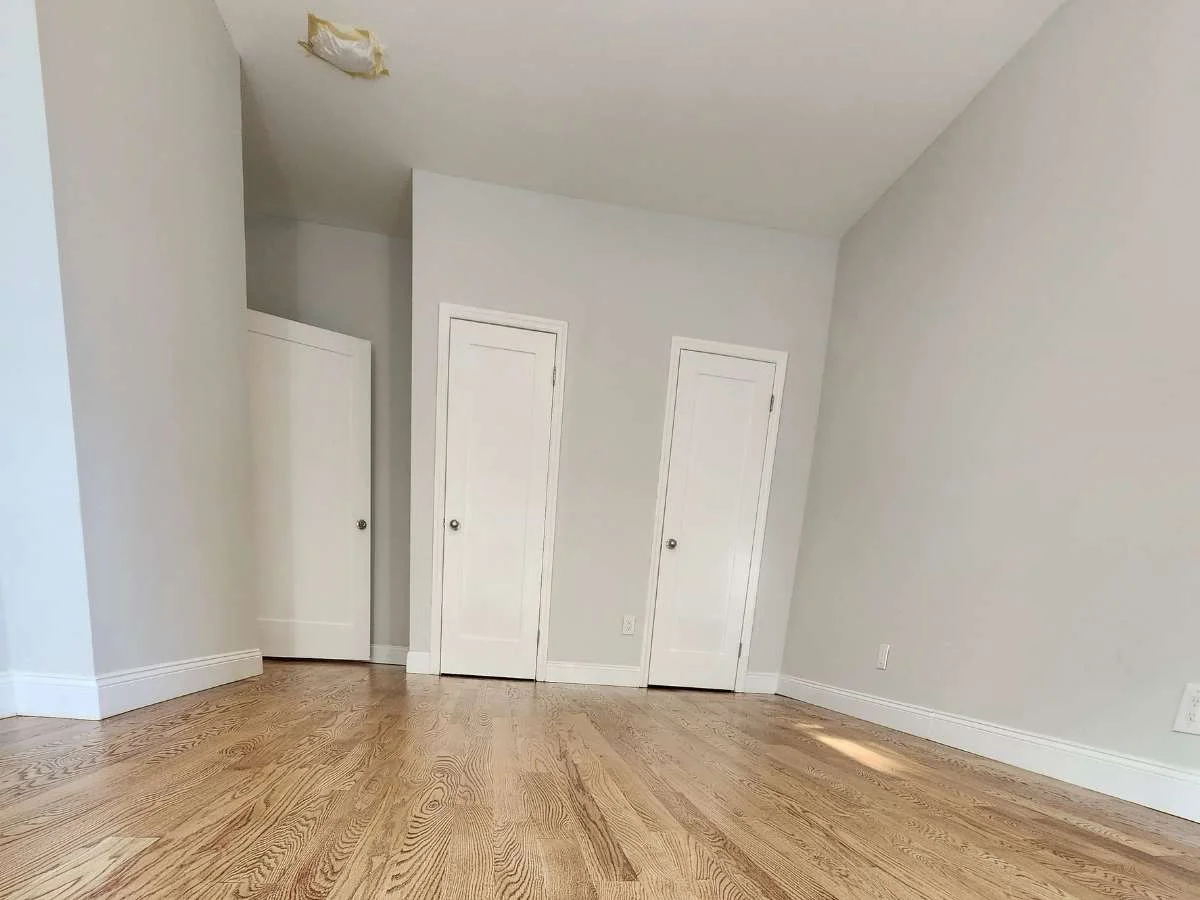
The best way to choose among home renovation contractors is to check four things before you compare prices: the contractor’s license and insurance, a detailed written estimate, references and photos of finished work similar to yours, and how clearly they communicate. A contractor who passes all four is usually a safer bet than one who simply quotes the lowest number.
That’s the short answer. The rest of this guide walks through what services a renovation contractor should be able to handle, what drives costs (and why we won’t throw out made-up price ranges), and the exact questions to ask before you sign anything. It’s written for Bronx homeowners, whether you live in a single-family home, a two-family house, a co-op, or a condo.
What Are You Really Searching For? Start With Your Project Type
Most homeowners searching for renovation help are trying to answer one of these questions:
- Who can I trust to do the work well, and how do I check?
- What will it cost, and why do quotes vary so much?
- Do I need a general contractor to manage everything, or can I hire individual trades?
- What should be in the contract?
- How do I avoid the common mistakes?
We’ll answer each one below. Knowing your project type first makes everything easier, because the right contractor for a fresh coat of paint is not necessarily the right one for a gut kitchen renovation.
What Does a Home Renovation Contractor Actually Do?
A home renovation contractor plans, schedules, and carries out improvements to an existing home. Depending on the company, that can mean doing the work in-house, bringing in trusted subcontractors, or both.
Common residential renovation services include:
- Kitchen and bathroom remodeling: layout changes, new cabinets, tile, fixtures, and finishes.
- Drywall and ceiling work: repairing, hanging, taping, and finishing walls and ceilings.
- Interior and exterior painting: surface prep, repairs, priming, and finish coats.
- Structural and insulation-related repairs: opening up walls or ceilings to fix damage and restoring them properly.
- Whole-home or multi-room updates: coordinating several of the above in one schedule.
In plain English: a general contractor (often shortened to GC) is the one company responsible for the whole project. They coordinate the trades, order materials, keep the schedule, and answer to you. A subcontractor is a specialist the GC brings in for one part of the job, such as tile or electrical.
Should You Hire a General Contractor or Individual Trades?
This is one of the most common questions homeowners ask, especially when they’re looking for someone who can manage a full home renovation as a general contractor.
| One general contractor | Hiring trades separately | |
|---|---|---|
| Who coordinates the schedule? | The contractor | You |
| Who is accountable if something goes wrong? | One company | Each trade, separately |
| Best for | Multi-step projects like kitchens, bathrooms, or several rooms | Small, single-trade jobs |
| Main trade-off | You pay for management, but save time and stress | You may save on management, but take on the scheduling risk |
A simple rule of thumb: if the project involves more than one trade working in sequence (for example, demolition, then drywall, then painting, then fixtures), having one team manage the order of work usually prevents delays and finger-pointing. If you only need one thing done, such as patching a hole, a specialist may be all you need.
7 Things to Check Before You Hire Anyone
1. License and registration
In New York City, home improvement contractors generally need to be licensed through the city. Rules can change and can differ for certain types of work, so don’t just take a contractor’s word for it. Ask for their license number and verify it yourself through the official NYC Department of Consumer and Worker Protection (DCWP) lookup. For specialty work like electrical or plumbing, separate licensing may apply, and the person doing that work should be properly licensed for it.
2. Insurance
Ask for proof of general liability insurance (covers damage to your property) and workers’ compensation (covers injuries to workers on your job). Ask for the certificate itself, not just a verbal yes. If a worker is hurt on your property and the contractor isn’t covered, a homeowner can be pulled into a very stressful situation.
3. A real portfolio of similar work
Ask to see before-and-after photos of projects like yours. A contractor with great exterior painting photos may not be your best choice for a bathroom gut renovation, and vice versa. Look at the details: Are the tile lines straight? Are ceiling seams invisible? Do paint edges look crisp?
4. References you can actually call
Two or three recent customers is a reasonable ask. When you call, skip the generic “were you happy?” and ask:
- Did the project finish close to the original timeline?
- Were there surprise charges, and how were they handled?
- Was the crew respectful of your home and cleanup?
- Would you hire them again?
5. Online reviews, read carefully
Reviews are helpful, but read the details rather than the star rating alone. Look for how the company responds to problems. A contractor who handles a complaint professionally can be a better sign than a page of vague five-star reviews.
6. Communication from the first call
Pay attention to how quickly and clearly they respond, whether they listen to what you want, and whether they explain things without talking down to you. How a contractor communicates before you hire them is often how they’ll communicate during the job.
7. A local track record
Bronx homes are varied: prewar apartment buildings, attached brick homes, two-family houses, and newer construction. Each has its own quirks, from older plaster walls to layered paint from decades of repainting. A contractor who regularly works in the borough is more likely to have run into your home’s type of surprise before. You can see where we operate on our Google Maps listing.
How Much Do Renovation Contractors Charge? (Why We Don’t Quote Generic Prices)
You’ll find plenty of articles with confident dollar ranges for every kind of renovation. The honest truth is that costs vary widely based on your home, your materials, and the market at the time you ask, so any number in a blog post can be misleading. What we can do is explain what moves the price, so you can understand your estimates.
The main cost factors
- Size and scope. A single-room refresh and a full-floor renovation are very different jobs.
- Condition of the existing space. Water-damaged drywall, uneven walls, or hidden problems behind a surface add work that isn’t visible until it’s opened up.
- Age of the home. Older buildings often need extra prep or repair before new finishes go on.
- Materials and finishes. Cabinet style, tile type, fixtures, and paint quality all change the total. Often this is where you have the most control over budget.
- Layout changes. Moving walls, plumbing, or electrical lines costs more than keeping things where they are.
- Access and logistics. Walk-up buildings, tight stairwells, and limited parking can affect labor time. Co-op and condo buildings may also have rules about work hours and deliveries.
- Permits and approvals. Some projects need permits or building approval, and some don’t. This depends on the work and the building, so ask your contractor and confirm with the appropriate authority.
- Timing and availability. Busy seasons and material availability can affect both price and schedule.
How to compare estimates fairly
When you collect two or three estimates, line them up on these points instead of just comparing totals:
| What to compare | Why it matters |
|---|---|
| Scope of work | Are the same rooms and tasks included in each bid? |
| Materials | Brand, grade, and who is buying them (you or the contractor) |
| Allowances | Fixed amounts for items you haven’t picked yet, like tile or fixtures |
| Prep and repair | Is surface repair included, or only the finish work? |
| Cleanup and disposal | Is debris removal included? |
| Timeline | Estimated start date and duration |
| Payment schedule | How much is due upfront and when later payments are due |
A much lower bid is not automatically a bargain. It sometimes means a smaller scope, cheaper materials, or skipped prep work that will show up later as peeling paint or visible seams.
Services to Look For in a Full-Service Renovation Company
If you want to handle several updates under one roof, look for a company that covers the most common interior and exterior needs. Here’s how those services connect in a typical project.
Kitchen and bathroom remodeling
These are usually the most involved projects because they combine several trades. A professional kitchen renovation in the Bronx typically involves demolition, wall and ceiling repair, new cabinets and surfaces, and finishing work. For bathrooms, a full bathroom remodel deals with moisture-sensitive materials, which is why careful waterproofing and finishing matter so much. If you have a compact space, our page on a small bathroom remodel in the Bronx covers how to make a limited footprint work harder.
Drywall, sheetrock, and ceiling repair
Drywall (also called sheetrock) is the smooth board that forms most modern interior walls and ceilings. It’s easy to damage and surprisingly tricky to repair invisibly. Cracks, water stains, and holes from old fixtures are all common. A skilled drywall contractor will repair, tape, and blend the area so it disappears once painted. Related services include drywall repair for smaller damage, ceiling repair for stains and sagging, and sheetrock installation and finishing. For smaller fixes, there’s also sheetrock repair. When damage goes beyond the surface, you may need insulation and structural repair behind the drywall.
Interior and exterior painting
Painting looks simple, but the finish you see is mostly decided by the prep underneath. Good results depend on cleaning, scraping, patching, sanding, and priming before the first coat. Whether you’re updating a room with interior painting, refreshing a single bedroom, or protecting the outside of the house with exterior painting, ask what prep is included. If you’re dealing with flaking surfaces, see our guidance on peeling paint repair. And if new walls or patches are involved, drywall painting is the finishing step that ties everything together.
DIY or Professional? A Practical Guide
Some tasks are reasonable for a careful homeowner. Others carry risks that aren’t obvious until something goes wrong.
Often reasonable to DIY:
- Painting a small, well-prepped room with no peeling or damage
- Filling very small nail holes with spackle
- Swapping a cabinet handle or light switch cover
Best left to a professional:
- Anything involving water damage, mold, or moisture behind walls
- Large drywall repairs or ceiling work, where uneven seams show badly under light
- Peeling paint in an older home. Homes built before 1978 may contain lead-based paint, and sanding or scraping it can spread dangerous dust. Specific rules apply to contractors working on older homes, so ask any contractor how they handle this.
- Bathroom and kitchen remodels involving plumbing, electrical, or layout changes
- Any work that may need a permit or building approval
A good test: if a mistake would be expensive, unsafe, or hard to undo, a professional is usually worth it.
Questions to Ask Before You Sign
Bring this list to every estimate appointment. A good contractor will welcome these questions rather than dodge them.
About the company
- Are you licensed, and can I see your license number and proof of insurance?
- How long have you been doing this type of project?
- Will your own crew do the work, or will subcontractors be involved?
- Can I see photos or talk to a recent customer with a similar project?
About the project
- What exactly is included in the estimate, and what is not?
- What is the expected start date and completion window?
- Who will be my point of contact during the project, and how do you communicate updates?
- Will permits or building approvals be needed, and who handles them? (If you live in a co-op or condo, check your building’s rules and alteration process early.)
- How do you protect floors, furniture, and common areas?
- What happens if you uncover damage or a problem once work begins?
About money and paperwork
- What is the payment schedule, and what is tied to each payment?
- How are change orders handled? (A change order is a written agreement for any added or changed work, with its cost.)
- Is there a written warranty or workmanship policy, and what does it cover? Ask to see it in writing rather than relying on a verbal promise.
Red Flags to Watch For
- Pressure to decide today. Reputable contractors let you take time to compare.
- A very large upfront payment request. Ask what the money is for and get the payment schedule in writing.
- Vague or verbal-only estimates. Everything important should be on paper.
- No license or insurance information. If they can’t or won’t provide it, move on.
- Door-to-door offers after storms or on short notice. Take your time and verify before agreeing.
- No written contract. In New York, home improvement agreements above a certain dollar threshold are generally required to be in writing. Check current state and city requirements, and insist on a signed contract regardless.
What Should a Good Contract Include?
A solid contract protects both you and the contractor. At a minimum, it should list:
- Contractor’s name, address, license number, and contact info
- A detailed scope of work, room by room if needed
- Materials, brands, and finishes (or allowances for items not chosen yet)
- Total price and payment schedule
- Start date and estimated completion date
- How change orders are handled
- Cleanup and debris removal
- Warranty or workmanship terms, in writing
- Who is responsible for permits, where required
Read it fully before signing, and ask questions about anything unclear. If anything discussed out loud is not in the document, ask to add it.
Common Mistakes Bronx Homeowners Make
Choosing only on price. The cheapest bid may leave out prep, cleanup, or quality materials.
Skipping the small print on scope. If “paint the bedroom” doesn’t mention patching, priming, or ceilings, those might not be included.
Not planning for surprises. Older buildings may reveal hidden damage when walls are opened. Many homeowners set aside a cushion in their budget. How much is up to you and your contractor, based on the age and condition of the space.
Forgetting building rules. If you live in a co-op, condo, or multi-unit building, there may be rules about work hours, noise, insurance, and approvals. Ask your management early.
Ignoring the season. In the Bronx, humid summers and cold, damp winters can affect timing for certain work. Exterior painting, for example, depends on suitable temperatures and dry conditions, and interior moisture problems can show up after wet weather. Ask your contractor what timing makes sense for your project.
Treating repair as cosmetic. Painting over a stain or crack without finding its cause often means the problem returns. Fixing the source first is usually better long-term value.
Thinking About Long-Term Value
A renovation is an investment in how your home works and holds up. When you compare options, consider:
- Lifespan of materials. Higher-quality finishes may cost more now but can last longer.
- Maintenance. Some surfaces need regular upkeep. Ask what your finish will require.
- Repair quality. Proper preparation is what keeps paint, tile, and drywall looking good for years.
- Sequence. Doing repairs, drywall, and painting in the right order avoids paying twice.
No contractor can promise how long a finish will last in your home, since use, moisture, and upkeep all play a part. Be cautious of anyone who guarantees outcomes they can’t control.
Frequently Asked Questions
Look for a contractor who is licensed, insured, and willing to show you completed projects and customer references. Our team at Brilliant Renovation LLC serves homeowners across the Bronx and nearby areas, but we always encourage you to compare a few companies and verify credentials before you decide.
“Best” depends on your project. Prioritize companies with experience in the specific work you need, clear written estimates, verifiable licensing, and good communication. Reviews and references can help you narrow the list.
Yes, many renovation companies coordinate multi-step projects such as demolition, drywall, painting, and finish work under one schedule. Ask any company to explain exactly which parts they handle themselves and which they subcontract.
“Turnkey” usually means one company handles the project from planning through completion so you receive a finished space. Since the term isn’t standardized, ask for a written scope that spells out exactly what is included.
Where can I find trusted home improvement services near me?
Start with personal recommendations from neighbors, then check licenses through the city’s official lookup, read recent reviews, and ask for references. Local contractors who work regularly in your area will understand common issues in Bronx homes.
How many estimates should I get?
Two to three is a common, manageable number. Make sure each is based on the same scope so you can compare them fairly.
How do I know if a renovation estimate is fair?
Compare the scope, materials, and prep work line by line. A fair estimate is detailed and explains what you’re paying for. We recommend avoiding relying on generic online price ranges, since costs depend on your specific home.
Ready to Talk Through Your Project?
Choosing a contractor shouldn’t feel like guesswork. If you’re planning a kitchen or bathroom update, drywall repairs, painting, or a larger multi-room renovation, we’re happy to walk through your home, listen to your goals, and give you a clear written estimate. There’s no pressure, and you’re welcome to compare us with other contractors.
Brilliant Renovation LLC Serving the Bronx, NY and nearby areas Phone: +1 917-705-4571 Website: brilliantrenovationllc.com
Contact us to request a free estimate or schedule a visit, and we’ll help you figure out the right next step for your home.