Staring at a wobbly, water-stained bathroom cabinet and wondering what a replacement will actually cost you? You’re asking a fair question, and the honest answer is: it depends on more variables than most homeowners expect. The cost to install bathroom cabinets can range from a few hundred dollars for a simple swap to several thousand for a custom build with new plumbing and countertops.
This guide breaks down what typically drives that price, walks through stock versus custom options, and flags where labor, plumbing, and building conditions tend to push costs up — including a few things worth knowing if you’re renovating in Bronx, NY.
Quick Answer: How Much Does It Cost to Install Bathroom Cabinets?
Industry cost-tracking sites report a wide range for bathroom cabinet and vanity installation. Premade, or “stock,” units typically run somewhere between $400 and $1,700 installed, while custom-built cabinets often land between $1,000 and $4,000 or more. Labor alone — separate from the cabinet itself — commonly falls between $150 and $1,000, depending on whether the job is a simple swap or involves custom carpentry.
These are national figures, not Bronx-specific ones. Labor rates in New York City generally run higher than the national average, and your final number depends heavily on your bathroom’s layout, plumbing condition, and the cabinet style you choose. A written estimate from a local contractor remains the only reliable way to get a number specific to your project.
What’s Actually Included in “Installation” Cost?
A lot of homeowners assume the price tag on a cabinet at the store equals the total cost. It doesn’t. Installation typically involves several separate pieces:
- The cabinet or vanity unit itself — the cost of the physical piece
- Labor — the time and skill to remove the old unit and install the new one
- Plumbing work — reconnecting or adjusting supply lines and drains
- Countertop and sink — often priced separately from the cabinet base
- Removal and disposal — hauling away the old cabinet
- Incidental repairs — patching walls or flooring once the old cabinet comes out
Skipping any of these from your budget is one of the most common ways homeowners end up surprised by a final invoice.
Stock vs. Semi-Custom vs. Custom Bathroom Cabinets
The type of cabinet you choose has the single biggest impact on your total cost.
| Cabinet Type | What It Means | General Price Range (Unit Only) |
|---|---|---|
| Stock/Prefab | Mass-produced, standard sizes, ready to install | $300 – $1,500 |
| Semi-Custom | Standard construction with some size or finish options | $1,500 – $4,500 |
| Fully Custom | Built to your exact specifications by a cabinetmaker | $3,000 – $12,000+ |
Stock cabinets install faster and cost less, but they come in fixed sizes, so an unusual bathroom layout might not accommodate one well. Custom cabinets fit your exact space and style but take longer to build and cost more in both materials and labor.
What Drives the Cost to Install Bathroom Cabinets Up or Down
Several factors shape your final price beyond the cabinet itself.
Cabinet Size and Configuration
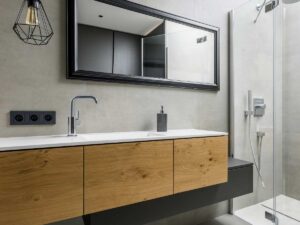
A single-sink vanity costs less than a double-sink configuration, simply because a double vanity requires more material, more plumbing connections, and more labor time. Wall-mounted or “floating” cabinets also tend to cost more than standard floor-mounted units, since they require additional structural support.
Materials and Finish
Solid wood cabinets generally cost more than engineered wood or laminate options, and finishes like custom paint or stain add to the price. Hardware matters too — a full vanity typically needs 6 to 10 pulls or knobs, and prices per piece vary widely depending on the finish and brand.
Plumbing Work
If you’re installing a new cabinet in the exact same footprint as the old one, plumbing work usually stays minimal. Moving the sink location, upgrading to a double vanity, or dealing with older or damaged pipes adds real cost. Cost-tracking sites commonly cite $400 to $2,200 for plumbing adjustments tied to a vanity installation, though your actual number depends on your bathroom’s existing setup.
Removal and Disposal of the Old Cabinet
Taking out the old cabinet and hauling it away isn’t always included in a base installation quote. Ask your contractor directly whether removal and disposal come bundled with labor or get billed separately.
Countertop and Backsplash
Vanity tops get priced separately from the cabinet in most cases, and material choice makes a big difference — laminate costs far less than quartz or natural stone. If you’re adding or replacing a backsplash at the same time, that’s another line item to budget for.
Labor Rates and Job Complexity
Labor consistently makes up a large share of the total cost, and rates vary by region, by the trades involved, and by how complicated the job gets. A straightforward like-for-like swap costs less in labor than a job requiring a licensed plumber, an electrician for updated lighting, or a carpenter for custom built-ins.
Signs It’s Time to Replace Rather Than Repair
Not every tired-looking cabinet needs full replacement. Before you budget for installation, it’s worth figuring out whether repair could handle the problem instead.
Repair often makes sense when:
- The cabinet box itself remains solid, with only doors, hinges, or hardware showing wear
- Water damage stays limited to a small, visible area
- The finish looks dated but the structure underneath holds up fine
Replacement usually makes more sense when:
- The cabinet base has swollen, warped, or softened from prolonged water exposure
- Mold or a persistent musty smell shows up around the cabinet
- Drawers and doors no longer close properly, even after hardware adjustments
- The layout no longer works for your bathroom’s needs
Bathroom cabinets face constant humidity exposure, which shortens their lifespan compared to cabinetry elsewhere in the home. Materials matter here — solid wood with a quality moisture-resistant finish tends to hold up longer than particleboard or MDF in a humid bathroom environment, though proper ventilation makes a bigger difference than material choice alone. A bathroom fan that actually clears humidity after showers goes a long way toward extending any cabinet’s lifespan, regardless of what it’s made from.
Bathroom Vanity vs. Bathroom Cabinet: Are They the Same Thing?
Homeowners often use “vanity” and “cabinet” interchangeably, and in casual conversation, that’s usually fine. Technically, a vanity refers to the cabinet base that supports your sink and countertop, while “bathroom cabinets” can also include separate storage — a linen cabinet, a medicine cabinet, or wall-mounted storage units. Pricing structures look similar for both, but a full vanity installation typically costs more than a standalone storage cabinet because it involves plumbing and a countertop.
Common Misconceptions About Bathroom Cabinet Costs
“The price tag at the store is the total cost.”
Store pricing usually covers the unit alone. Labor, plumbing, countertop, and disposal come as separate costs on top of that number.
“A bigger cabinet always costs proportionally more.”
Not always. A wall-mounted or custom-shaped cabinet designed for an unusual space can cost more than a larger but standard-sized stock unit, because of the extra design and labor involved.
“Replacing a cabinet always means replacing the plumbing too.”
Not necessarily. If the new cabinet uses roughly the same footprint and connection points as the old one, plumbing work often stays minimal. Moving the sink location is what tends to drive plumbing costs up.
“DIY installation always saves significant money.”
It can, for a straightforward swap — but mistakes with plumbing connections can lead to leaks, water damage, and repair costs that outweigh the original savings.
“Custom always means better quality.”
Custom cabinets fit unusual spaces and specific design visions well, but a well-made stock or semi-custom cabinet can offer comparable durability at a lower price point, depending on the brand and materials.
DIY vs. Professional: What Makes Sense for Bathroom Cabinet Installation
Not every part of a cabinet installation requires a licensed professional, but several pieces genuinely do.
Reasonable DIY tasks (for a comfortable, moderately handy homeowner):
- Removing cabinet doors, drawers, and hardware before installation
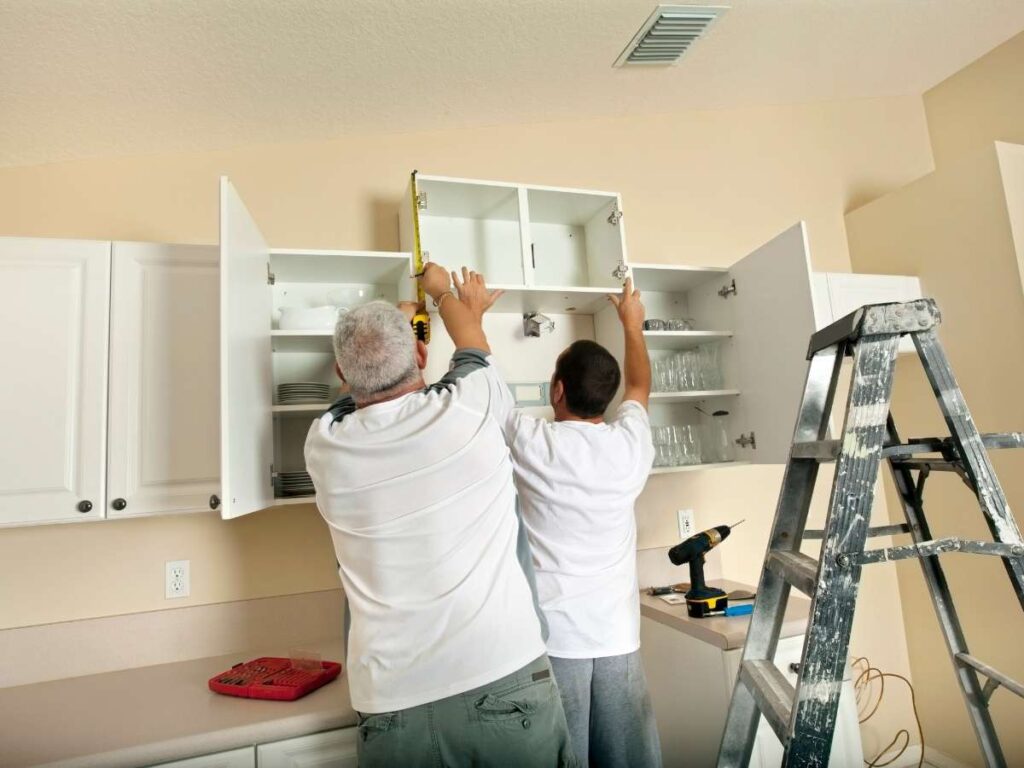
- Installing a like-for-like replacement cabinet with no plumbing changes, if you’re experienced with basic tools
- Swapping cabinet hardware and pulls
- Painting or touching up cabinet exteriors
Tasks better left to licensed professionals:
- Any plumbing work — connecting or moving supply lines and drains
- Installing a wall-mounted or floating cabinet, which needs proper structural anchoring
- Cutting or fitting a countertop, especially stone materials
- Electrical work tied to updated vanity lighting
- Any project uncovering water damage, mold, or structural issues behind the old cabinet
If you’re unsure which category your project falls into, that uncertainty alone is worth a quick conversation with a contractor before you start. A short consultation costs far less than redoing a leak-damaged installation.
How to Save Money on Bathroom Cabinet Installation
A few practical ways homeowners commonly manage costs without cutting corners on quality:
- Keep the existing footprint. Installing a new cabinet in the same location as the old one avoids costly plumbing relocation.
- Choose stock or semi-custom over fully custom when your bathroom’s dimensions allow it.
- Bundle projects. If your bathroom cabinet installation happens alongside a broader remodel, you may save on labor scheduling compared to booking separate visits.
- Compare itemized quotes. A lower total price sometimes hides missing line items like disposal or plumbing. Ask each contractor to break down exactly what’s included.
- Address wall or flooring damage early. Fixing water damage or wall repairs before installation, rather than discovering it mid-project, tends to keep costs more predictable.
- Prioritize ventilation. Investing in better bathroom ventilation protects your new cabinet’s finish and can extend its useful life, which reduces how often you’ll face this cost again.
- Ask about seasonal timing. Some contractors have more flexibility in their scheduling during slower seasons, which can occasionally affect labor pricing or availability.
Bathroom Cabinet Installation Considerations in Bronx, NY
A few local factors worth keeping in mind if you’re planning this project in the Bronx or nearby areas:
Building age varies widely. Many Bronx buildings, especially pre-war walk-ups, have older plumbing that may need attention during a cabinet swap. It’s worth budgeting for that possibility even if you don’t know for certain until the work starts.
Co-op and condo rules may apply. If your building has a board, check whether plumbing-related work requires approval or specific scheduling before your contractor begins.
Building access affects labor time. Elevator scheduling, narrow hallways, and limited parking for material deliveries can all factor into how a Bronx installation gets planned and priced.
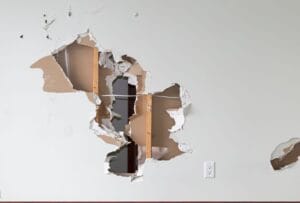
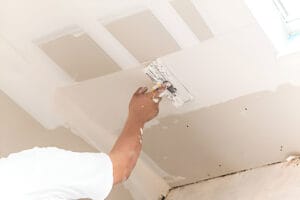
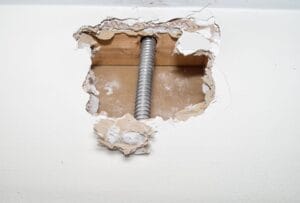
Water damage is common in older units. If your current cabinet has sat against a leaking pipe or poor ventilation for years, you may find wall damage behind it. Our drywall repair and patching services in Bronx, NY page covers what that repair process typically looks like, which is worth reading if you suspect hidden damage.
If your cabinet project is part of a larger bathroom update, our bathroom remodel services in Bronx, NY page walks through what that broader process involves, and our small bathroom remodel guide covers smart layout strategies for compact spaces common in many Bronx apartments. And if you’re refreshing the room’s walls at the same time as your new cabinet, it’s worth a look at our interior painting services in Bronx, NY for color and finish options that hold up well in a humid bathroom environment.
Frequently Asked Questions
How much does labor alone cost to install a bathroom cabinet? Labor costs commonly range from around $150 to $1,000, depending on whether the installation is a simple swap or involves plumbing changes, custom fitting, or electrical work. Rates vary by region and contractor.
Is it cheaper to install a stock cabinet or a custom one? Stock cabinets almost always cost less than custom builds, both in unit price and labor, since they come pre-made in standard sizes. Custom cabinets cost more but fit unusual spaces and specific design goals that stock units can’t always match.
Does installing a new bathroom cabinet always require a plumber? Not always. If the new cabinet sits in the same location with the same connection points as the old one, plumbing work often stays minimal. Moving the sink or upgrading to a double vanity typically requires a licensed plumber.
How much does it cost to remove and dispose of an old bathroom cabinet? Removal and disposal costs vary by contractor — some include it in the labor price, while others charge separately. Ask for this to be itemized in your estimate so you know exactly what’s covered.
Can I install a bathroom cabinet myself to save money? A straightforward, like-for-like swap with no plumbing changes is a reasonable DIY project for a comfortable, moderately handy homeowner. Anything involving plumbing, electrical work, or structural anchoring is safer left to a licensed professional.
Do bathroom cabinet costs vary by location? Yes. Labor rates, material availability, and building-specific factors (like co-op approval processes or older plumbing) all affect final pricing, and costs in dense urban areas like the Bronx often run higher than national averages.
Ready for an Accurate Number?
National cost ranges give you a useful starting point, but the only way to know what your specific bathroom cabinet installation will cost is a walkthrough with a local contractor who can see your space, your plumbing, and your building’s access firsthand.
If you’re in the Bronx or a nearby area and want a clear, written estimate for your bathroom cabinet project, Brilliant Renovation LLC’s bathroom remodeling team can walk through your space and talk through your options. Call +1 (917) 705-4571 or reach out through our contact page to request a free estimate. You can also browse photos of past Bronx bathroom projects on our Google Business Profile.