Every home transformation starts the same way. You walk into a room you’ve lived with for years, and something just feels tired. Maybe the wall color went out of style years ago. Maybe your hardwood floors lost their shine, or a ceiling fixture hasn’t changed since the building went up. You’re not imagining it, and you’re not alone. It’s one of the most common reasons Bronx homeowners start looking into a renovation in the first place.
The good news: a full home transformation doesn’t always mean gutting a room down to the studs. Often, the gap between “dated and dull” and “fresh and modern” comes down to a handful of well-planned updates — color, light, flooring, and a few key fixtures. This guide covers what actually makes a room feel outdated, which updates deliver the most visible change, what you can reasonably tackle yourself, and when it’s worth calling a professional. Along the way, we’ll flag a few things specific to Bronx homes and buildings.
What Makes a Room Feel “Dated” in the First Place?
Before jumping into fixes, it helps to understand what creates that dated feeling. It’s rarely just one thing. Usually, a combination of small factors adds up:
- Color palette. Wall colors that were popular a decade or two ago — heavy golds, deep burgundies, certain shades of beige — can date a room instantly, even when everything else is in good condition.
- Lighting. Dim, yellow-toned lighting or a single outdated overhead fixture can make even a well-designed room feel gloomy and old-fashioned.
- Flooring condition. Scuffed, dull, or discolored hardwood — or worn carpet — draws the eye downward in the wrong way.
- Clutter and layout. Sometimes a room isn’t outdated so much as overcrowded. Furniture crowds into a layout that no longer fits how you actually use the space.
- Hardware and fixtures. Cabinet pulls, door handles, light switch covers, and ceiling fans are small details that quietly signal a room’s age.
Most of these are fixable without a full renovation, which is good news if you’re working with a defined budget.
The Home Updates That Make the Biggest Visible Difference
Not every update delivers the same visual payoff. If you’re planning a room transformation on a limited budget or timeline, these changes tend to grab homeowners’ attention first.
1. Wall Color
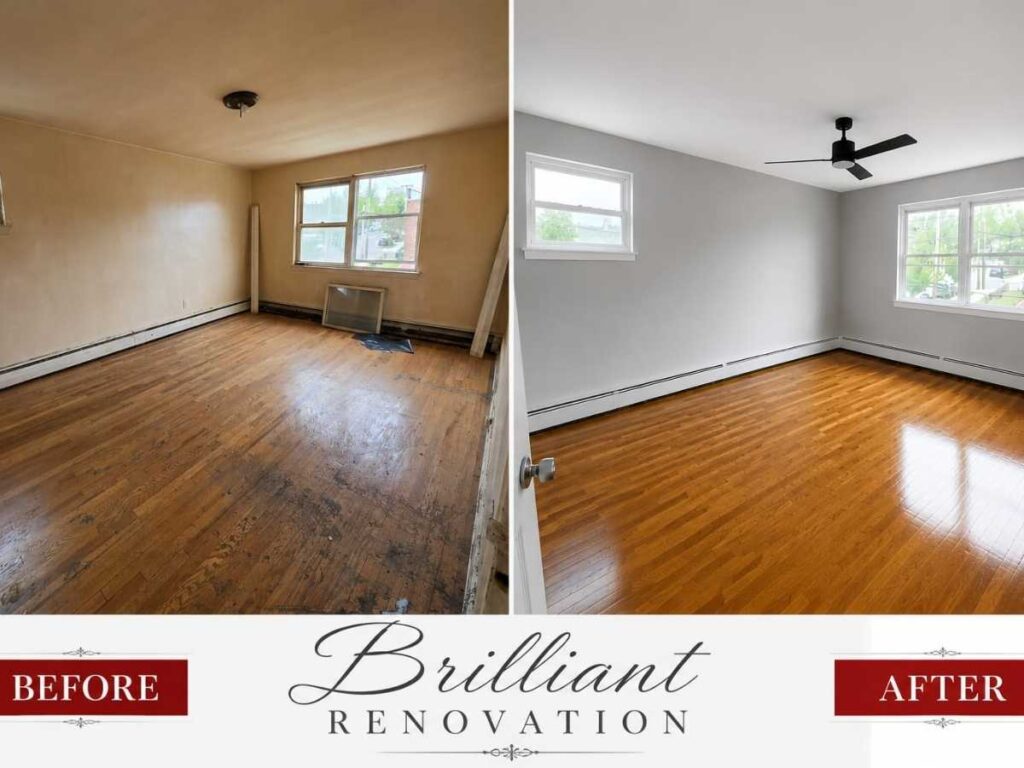
A fresh coat of paint is one of the most cost-effective ways to change how a room feels. It’s often the single biggest “before and after” moment in a room renovation. Lighter, more neutral tones — soft grays, warm whites, muted greens — tend to read as more contemporary than the deeper, saturated colors popular in previous decades. That said, personal taste and the room’s natural light both shape what will actually look good.
If you’re weighing color options for a Bronx apartment or home, our guide on residential interior painting for Bronx homes goes into more detail on choosing paint that holds up well through New York’s humid summers and dry winters.
2. Natural Light and Brightness
Builders sometimes designed older rooms with less emphasis on natural light than modern layouts get today. A few ways homeowners commonly brighten a space without structural changes:
- Swap heavy drapes for lighter window treatments
- Use mirrors to reflect existing light across the room
- Choose lighter wall and ceiling colors, which reflect more light than darker tones
- Update light fixtures to ones with better bulb coverage or dimmable options
If a room genuinely lacks natural light — an interior room in a Bronx apartment building, for example — adding a window becomes a much bigger undertaking. Talk with a contractor before you assume it’s feasible.
3. Flooring
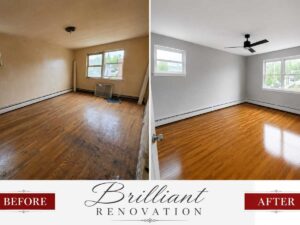
Hardwood floors offer a good example of something that often looks “dated” simply because the finish has worn down, not because the wood itself has a problem. A scratched, dull, or discolored floor can drag down the feel of an otherwise well-updated room.
- Refinishing — sanding down the top layer and reapplying stain and sealant — can restore an existing hardwood floor’s appearance. It’s generally less disruptive and less expensive than full replacement, as long as the wood itself remains structurally sound.
- Replacement becomes the more realistic option once boards warp, take on water damage, or grow too thin to sand again safely.
- For non-wood flooring — older vinyl, worn carpet, dated tile — the right next step depends heavily on the material and what sits underneath it.
A flooring contractor or renovation professional can inspect your floor quickly and tell you whether refinishing makes sense or whether replacement is the better call.
4. Lighting Fixtures
Swapping an outdated overhead light or ceiling fan for a more current style is a relatively contained project that can noticeably modernize a room. Ceiling fan installation, in particular, ranks among the most common upgrades homeowners tackle during a room refresh — both for the visual update and for better airflow during warmer months. If your existing wiring and fixture box already support a ceiling fixture, this usually stays a moderate project. Adding a fixture where there wasn’t one before turns it into an electrical project, which should go through a licensed electrician.
5. Hardware and Small Details
Cabinet pulls, drawer handles, doorknobs, and even light switch plates cost little to replace. Paired with a fresh paint job, they can meaningfully sharpen a room’s look.
Room-by-Room: Common Transformation Priorities
Different rooms tend to show their age in different ways. Here’s a general breakdown of where homeowners often focus first.
| Room | Common “dated” signs | Typical update priorities |
|---|---|---|
| Living room | Dark paint, worn flooring, outdated lighting | Paint, flooring refresh, lighting, furniture layout |
| Kitchen | Old cabinets, outdated countertops, dim lighting | Cabinet refresh or replacement, countertops, lighting |
| Bathroom | Old tile, dated fixtures, poor ventilation | Fixtures, tile, vanity, lighting |
| Bedroom | Heavy drapes, dated paint, old flooring | Paint, window treatments, flooring |
| Entryway/hallway | Scuffed walls, poor lighting, clutter | Paint, lighting, storage solutions |
Kitchen and bathroom transformations tend to involve more plumbing and electrical work than a living room or bedroom refresh. Our bathroom remodel services in Bronx, NY page walks through what that process typically looks like. Working with a compact layout? Our small bathroom remodel guide covers space-maximizing strategies that work well in many Bronx apartments and older homes.
Common Misconceptions About Home Transformations
Before you start planning, it helps to clear up a few assumptions that trip up a lot of homeowners.
“A full transformation means a full renovation.”
Not necessarily. Many of the most noticeable “before and after” results come from paint, lighting, and flooring updates — not structural changes.
“Trendy always means better.”
Chasing the newest design trend can backfire, since trends shift again within a few years. A more neutral, well-executed update tends to feel current longer than a highly trend-specific one.
“DIY paint always saves money.”
It often does, but poor prep work — skipping primer, not addressing wall damage first — tends to mean redoing the job sooner than expected. That erases the savings fast.
“A bigger budget always equals a bigger transformation.”
Not always. A well-planned, moderate-budget refresh — new paint, updated lighting, refinished floors — can visually transform a room just as much as a far larger renovation, depending on the room’s starting condition.
“Older homes can’t look modern without losing their character.”
Many Bronx homes carry architectural details — moldings, high ceilings, original woodwork — that pair well with a more contemporary color palette and lighting. You don’t need to remove them.
DIY vs. Professional: What Makes Sense for a Home Transformation
A room transformation rarely comes down to one task. It’s usually a handful of smaller ones, and different pieces call for different levels of expertise.
Reasonable DIY Projects
For a comfortable, moderately handy homeowner:
- Painting walls, trim, and ceilings
- Swapping cabinet or door hardware
- Installing new window treatments or curtain rods
- Rearranging furniture and decluttering
- Basic wall art, shelving, and decor updates
Projects Better Suited to a Professional
- Ceiling fan or light fixture installation involving new wiring, or any electrical work
- Hardwood floor refinishing, which requires specific equipment and experience to avoid uneven sanding or finish issues
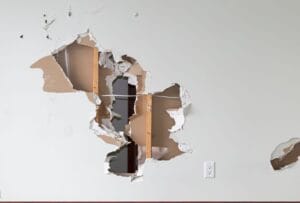
- Wall repairs where existing damage, cracking, or water staining needs attention before painting
- Any layout change involving plumbing, gas lines, or load-bearing walls
- Work requiring a permit, since unpermitted changes can create complications later, especially in co-op or condo buildings
Repairing damaged walls before repainting is a common step when a room has sat untouched for years. Our drywall repair and patching services in Bronx, NY page covers what that process typically involves. Once you finish the dust-generating work, check our guide to cleaning up drywall dust before you move furniture back in — post-renovation dust proves more stubborn than most homeowners expect.
Budgeting for a Room or Home Transformation
Costs for a transformation vary enormously depending on scope. A single room refresh with paint and lighting calls for a very different budget than updating multiple rooms or touching plumbing and electrical systems. A few general principles tend to hold up regardless of budget size:
- Prioritize what bothers you most. If dull flooring makes a room feel dated to you, address it first — even if the budget doesn’t stretch to every item on your list.
- Sequence matters. Repair wall damage before painting, and handle flooring before final furniture placement. That way you’re not paying to redo work around finished elements.
- Set aside a contingency. Especially in older homes, opening up a wall or floor sometimes reveals an issue you didn’t know existed. Planning for that possibility, instead of letting it catch you off guard, keeps a project on track.
- Get multiple estimates for larger work. For anything involving licensed trades — electrical, plumbing, structural changes — compare itemized quotes from a few contractors so you understand what each price actually includes.
Home Transformation Considerations Specific to Bronx, NY
A few local factors matter if you’re planning updates to a Bronx home or apartment.
Building age varies widely. The Bronx includes everything from pre-war buildings with original plaster walls and moldings to newer construction. Older plaster walls sometimes need different repair techniques than modern drywall needs before they’re ready for paint.
Co-op and condo rules apply. If you live in a co-op or condo, check your building’s policies before starting anything involving flooring, electrical work, or fixture changes. Some buildings carry specific requirements or require board approval.
Seasonal humidity plays a role. New York’s humid summers can affect paint drying time and hardwood floor refinishing schedules. Timing certain projects for milder, drier months tends to make for a smoother process.
Building access shapes scheduling. Elevator scheduling, hallway width, and street parking for material deliveries all factor into how you plan a project in denser Bronx buildings.
None of this makes a transformation project harder in the Bronx than anywhere else. It just helps to plan around these details from the start, rather than running into them partway through.
Frequently Asked Questions
A transformation usually means a visual, room-level refresh — paint, lighting, flooring, fixtures. A full renovation typically involves structural changes, layout changes, or replacing systems like plumbing and electrical. Most “before and after” results come from the former, not the latter.
It depends heavily on scope. A paint-and-lighting refresh for one room might take a few days. A project involving flooring refinishing or wall repairs can take longer. Ask your contractor for a project-specific timeline based on your rooms and scope.
Yes. Many of the highest-impact updates — paint, hardware, lighting, decluttering — cost relatively little compared to structural changes. Prioritizing a few key updates, rather than tackling everything at once, works well as a budget-friendly approach.
It depends on the floor’s condition. If the wood remains structurally sound but the finish has worn down, refinishing usually wins out as the more cost-effective option. Once boards warp, sustain damage, or grow too thin to sand again, replacement typically becomes necessary. A flooring professional can assess this in person.
It depends on the scope. Cosmetic updates like paint and furniture generally don’t require permits, but electrical work, plumbing changes, or structural modifications usually do. Requirements vary by building and project, so confirm with your contractor or local building department.
Paint consistently ranks among the most cost-effective updates for visual impact, especially alongside updated lighting and a decluttered layout. Beyond that, the “biggest difference” update really depends on which element currently drags the room down most.
Ready to Start Your Home Transformation?
A dated room doesn’t need to stay that way, and it doesn’t necessarily require a full renovation to feel fresh and modern again. Sometimes it’s a paint color and a lighting update. Sometimes it’s flooring, wall repairs, and a fixture swap. The right starting point really depends on your specific rooms, your budget, and whatever’s actually causing that “dated” feeling in the first place.
Want a professional opinion on where to start? Brilliant Renovation LLC’s home renovation and remodeling team serves homeowners throughout the Bronx, NY, and nearby areas. We’ll walk through your space to talk priorities, realistic scope, and next steps. Request a free estimate by calling +1 (917) 705-4571 or reaching out through our contact page. You can also browse photos of past Bronx home transformations on our Google Business Profile.