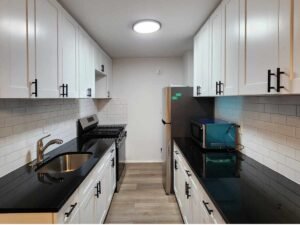
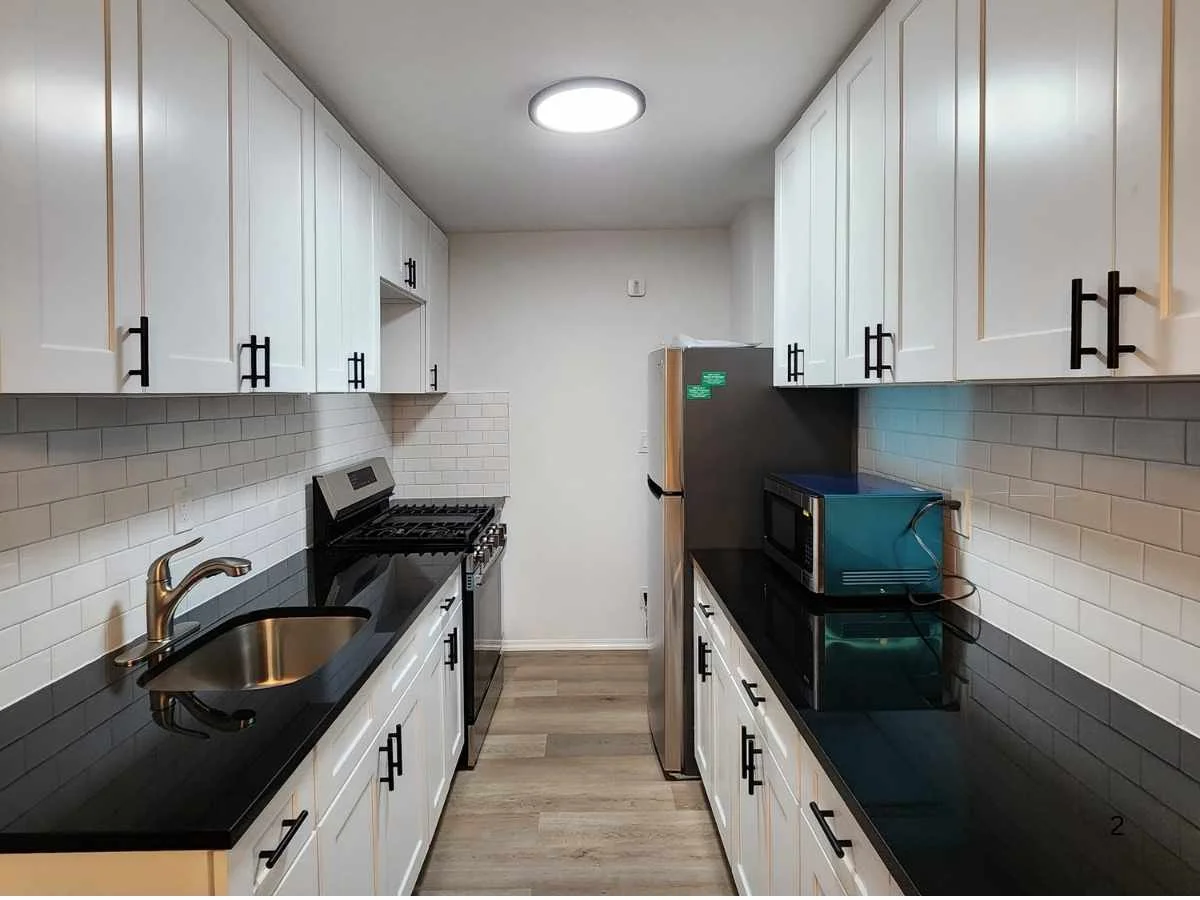
Published estimates for New York kitchens range from the low five figures for a simple update to well past $50,000 for a mid-range remodel, with luxury projects climbing much higher. That gap can be frustrating, but it has clear causes: room size, how much you change, the materials you choose, and what the crew finds behind the walls.
To be upfront, no honest article can quote your exact price without seeing your kitchen. Instead, this guide shows you where the money goes, why online numbers disagree, and how to turn a rough range into a written estimate you can trust. If your kitchen is small, you will also find a section just for you, because small does not always mean cheap.
What Homeowners Want to Know (and Where to Find It)
Someone who types this question into Google usually wants two things: a realistic number to plan around, and a way to avoid sticker shock. So we built this article around six questions:
- What do published New York kitchen remodel costs actually say?
- Why do online estimates disagree so much?
- Where does the money go: materials, labor, permits, or something else?
- How much does a small kitchen remodel cost, and why is it not always cheap?
- What do Bronx homes add to the budget?
- How do you get a reliable number, and how do you lower it without hurting quality?
What Do Published New York Kitchen Remodel Costs Say?
We checked a few well-known cost guides in November 2026. Each one defines a remodel differently, so treat the figures below as a sanity check, not a quote. Prices change often, and none of these numbers are Brilliant Renovation LLC estimates.
| Source | What it reports | How to read it |
|---|---|---|
| Fixr, New York page | An average of about $27,765 in New York, with a range from roughly $9,872 (simple update) to $246,800 (luxury) | Wide range; the average sits closer to a basic or mid-level project |
| Block Renovation, kitchen guide | A median of $35,000 to $63,000 for New York City, and a note that mid-range projects can easily exceed $50,000 | Higher figure; reflects city labor and demand |
| Houzz survey coverage | An average of $29,200 for a major remodel of a New York City kitchen under 200 square feet | Specific to smaller kitchens; survey data may be older |
In plain terms, a modest kitchen update can land in the mid-teens or lower, while a full remodel with new cabinets, counters, appliances, and layout changes often reaches the $30,000s and beyond in this market. Where your project falls depends on the choices below.
Why Online Cost Estimates Disagree
If you have seen wildly different numbers, you are not imagining things. Several quiet differences explain most of the gap.
- Different definitions of remodel. One guide may price a repaint and new hardware. Another may price a full gut with new plumbing and electrical.
- Different kitchen sizes. A 70-square-foot galley and a 200-square-foot eat-in kitchen cost very different amounts, even at the same quality level.
- Different dates. Material and labor prices move. A figure from two years ago may already be out of date.
- Different data sources. Some numbers come from surveys, some from contractor quotes, and some from national averages adjusted by formula.
- What gets counted. Appliances, permits, design time, and debris removal sometimes appear in the total and sometimes do not.
Because of this, what online calculators can and can’t tell you is worth reading before you rely on any single tool. A calculator gives you a starting range. A site visit gives you a price.
Where the Money Goes: Budget, Materials, and Labor
Most kitchen budgets split into a handful of categories. The table below shows what each one includes and what moves its cost up or down. We left out dollar figures on purpose, because they depend on your choices and your building.
| Category | What it covers | What pushes the cost up | Where you can save |
|---|---|---|---|
| Labor | Demolition, carpentry, plumbing, electrical, tile, drywall, painting | Layout changes, older building conditions, tight access | Keep the layout, bundle trades, plan ahead |
| Cabinets | Boxes, doors, drawers, hardware, installation | Custom sizes, solid wood, specialty storage | Stock or semi-custom, or refacing sound cabinets |
| Countertops | Material, fabrication, templating, install, sink cutout | Natural stone, thick edges, waterfall sides | Simpler edge, fewer seams, smaller slab |
| Appliances | Range, fridge, dishwasher, hood, microwave | Pro-style units, panel-ready fronts | Standard sizes, careful shopping |
| Flooring and backsplash | Material and installation | Large-format tile, patterns, uneven subfloors | Simple layouts, standard sizes |
| Plumbing and electrical | Moving lines, new circuits, lighting | Relocating the sink or range, panel upgrades | Keep fixtures where they are |
| Walls, ceiling, and paint | Drywall, patching, priming, painting | Water damage, old plaster, hidden repairs | Fix problems once, before finishes go in |
| Permits, disposal, delivery | Paperwork, debris removal, hauling | Building rules, limited access | Ask who handles each item |
Labor deserves special attention. One published New York guide estimates that labor takes roughly half to 60 percent of a typical kitchen remodel. Another lists hourly rates for New York trades, with plumbers near $148 and electricians near $93, according to that source. Those figures vary by contractor and project, but they explain why moving a sink costs more than swapping a faucet.
Cabinets: The Biggest Decision for Most Budgets
Cabinets usually take the largest share of materials spending, so it pays to understand the three common types.
- Stock cabinets come pre-built in standard sizes. They cost the least and arrive fastest.
- Semi-custom cabinets start from standard boxes but offer more sizes and finishes. They sit in the middle.
- Custom cabinets are built to fit your room. They cost the most, yet they can make an awkward Bronx kitchen work better.
Refacing offers a fourth path. If your existing boxes are solid, new doors and drawer fronts can change the look without rebuilding the whole kitchen. Our cabinet installation guide explains what installers check before they order anything.
Countertops, Flooring, and Backsplash
Countertop prices swing widely by material. Laminate costs less than quartz, and quartz often costs less than natural stone, though fabrication and edge details change the math. Meanwhile, flooring and backsplash costs depend as much on installation difficulty as on the tile itself. Large tiles over a wavy floor, for instance, need extra prep.
Appliances
Appliance spending is the easiest line to control, because you choose it. However, size matters: a new range or fridge that does not match your current openings can trigger cabinet or counter changes. Measure first, then shop.
Walls, Ceilings, and Paint
Kitchens expose walls and ceilings to steam, grease, and the occasional leak. As a result, remodels often uncover problems that finishes had hidden. A good drywall contractor can handle new walls, while drywall repair and ceiling repairs fix stains, cracks, and sagging before paint goes on. If your walls need insulation work or structural patching, see our page on insulation and structural drywall repair.
You may also hear contractors say Sheetrock instead of drywall. They mean the same material, since Sheetrock is a brand name. For that reason, Sheetrock work and Sheetrock repair appear on estimates under either word.
Finally, plan the paint early. Fresh painting on new drywall needs primer and sanding to look even, and kitchen paint should handle moisture and cleaning. If old paint is flaking near the stove or sink, peeling paint repair usually starts with finding the moisture source. Many homeowners also add interior painting for the adjoining dining area or hall while the crew is already on site.
How Much Does It Cost to Renovate a Small Kitchen?
Small kitchens surprise people. A compact room has fewer square feet of cabinets and counters, so the material bill shrinks. Yet the fixed work stays about the same: demolition, plumbing connections, electrical work, permits where required, and a skilled install in a tight space.
That is why per-square-foot math can mislead you. A 70-square-foot kitchen may cost less overall than a 200-square-foot one, but it rarely costs one-third as much. One survey cited above put the average major remodel of a New York City kitchen under 200 square feet at about $29,200, so small does not mean a bargain.
Still, small kitchens offer real ways to control cost:
- Keep the footprint. Leaving the sink, range, and fridge in place avoids relocating lines.
- Spend where you touch daily. Good drawer hardware and a solid faucet matter more than a luxury backsplash.
- Use every inch. Tall cabinets, pull-outs, and corner solutions add storage without adding square footage.
- Choose standard sizes. Stock appliances and cabinets avoid custom charges.
For design ideas that suit tight Bronx layouts, see these layout ideas for small Bronx kitchens. For a budget-focused look at compact spaces, read our small-kitchen budget guide.
What Bronx Homes Add to the Budget
Every building differs, but a few local patterns come up often.
- Older construction. Many Bronx homes and apartments are decades old. Walls may be plaster, drywall, or both, and wiring or pipes may not match current plans.
- Surprises behind the walls. Old plumbing, outdated electrical, and past water damage can appear after demolition starts. Hidden renovation costs are one of the biggest reasons budgets grow.
- Co-op and condo approvals. Many buildings require board approval and proof of insurance before work begins. Check your lease and read our overview of co-op renovation rules.
- Permits. Requirements depend on the work and change over time, so confirm with the NYC Department of Buildings or ask your contractor. Here is why permits matter before any work starts.
- Access and logistics. Stairs, elevators, and loading rules affect how crews move cabinets, counters, and debris.
- Moisture and seasons. Humid summers and cold winters stress kitchen walls and ceilings, especially near exterior walls. Exterior-facing problems may also call for exterior painting once the weather cooperates.
If your home was built before 1978, ask your contractor about lead-safe practices. Some older materials may also contain asbestos. Professionals can test and handle them safely, and that work can affect both timeline and cost.
Hidden Costs and How Much Cushion to Plan For
Even a careful estimate cannot see inside a wall. For that reason, smart homeowners hold back a contingency, which is extra money set aside for surprises. Ask your contractor what cushion makes sense for your kitchen, because the right amount depends on the building’s age and condition.
Common surprises include:
- Rotted subfloor under an old sink
- Outdated wiring that needs an upgrade
- Walls that are not level, which complicates cabinets and tile
- Water damage above or behind the old cabinets
- Mold or other materials that require special handling
A renovation budget template can help you track allowances, which are placeholder budgets for items you have not chosen yet, such as tile or fixtures. Low allowances are a classic reason final bills exceed early quotes.
Ways to Lower the Cost Without Lowering Quality
Savings are possible, but the best ones come from planning rather than cutting corners.
- Keep the layout. Moving plumbing and gas lines is often the most expensive design change.
- Reface instead of replace. If cabinet boxes are sound, new fronts can refresh them.
- Mix price levels. Splurge on counters or cabinet quality, then save on backsplash tile or lighting.
- Choose standard sizes. Custom dimensions add cost in nearly every category.
- Decide early. Changing your mind mid-project creates change orders, which are paid add-ons to the original scope.
- Bundle trades. One coordinated crew often wastes less time than several separate visits.
- Buy materials on a schedule. Order early enough to avoid delays, but not so early that items sit damaged on site.
DIY or Professional: What Makes Sense?
Doing some work yourself can lower labor costs, and it can feel rewarding.
Often reasonable for a careful DIYer:
- Painting walls once repairs are finished
- Removing old cabinet hardware or cleaning up after demolition
- Installing simple fixtures such as pulls and knobs
Better left to professionals:
- Plumbing, gas, and electrical changes
- Structural changes and wall removal
- Water damage, mold, or recurring leaks
- Cabinet installation that must be level and precise
- Any work that needs permits or inspections
Mistakes in these areas can cost more to fix than the original job. Also, licensed trades in New York City generally need to perform plumbing and electrical work, so ask any contractor who will do it and sign off on it.
Common Misconceptions About Kitchen Remodel Costs
The cheapest bid is the best deal. Not always. A low number may leave out demolition, disposal, or permits. Compare what each bid includes before you compare totals.
Small kitchens always cost far less. In reality, fixed costs like plumbing, electrical, and skilled labor still apply.
Online calculators give a firm price. They give a range. Your actual cost depends on your building and your choices.
Appliances are the biggest expense. Often, labor and cabinets take a bigger share.
A remodel always pays for itself. No one can promise that. Value depends on your market, your finishes, and how long you stay.
How to Get a Reliable Kitchen Remodel Estimate
A good estimate is a written document, not a verbal number. Before you sign, make sure it answers these questions:
- What exactly is included? Look for itemized scope, materials, and quantities.
- What is excluded? Appliances, permits, and disposal sometimes sit outside the price.
- How are allowances handled? Ask what happens if your chosen tile costs more.
- How do change orders work? Agree on pricing and approval before any extra work begins.
- What is the payment schedule? Tie payments to progress, not only to dates.
- Who is licensed and insured? In New York City, home improvement contractors generally need a license, and you can verify it with the city.
- What is the timeline? Ask what could change it.
- What does the warranty say? Rely only on warranties written into your contract.
For more on choosing a contractor, read seven reasons Bronx homeowners hire Brilliant Renovation LLC, and browse our practical renovation tips. Planning a bathroom as well? Many homeowners price a bathroom remodel or a small-bathroom remodel at the same visit, so the schedule and delivery trips work together.
Frequently Asked Questions
How much does a kitchen remodel cost?
Published New York estimates range from the low five figures for simple updates to far higher for luxury projects, and mid-range remodels can exceed $50,000 according to one source. Your price depends on size, scope, materials, labor, and building conditions. A written estimate after a site visit gives the most reliable number.
How much to renovate a kitchen in NYC?
New York City runs higher than many parts of the country because labor, access, and demand cost more. Sources differ: one lists a New York average near $27,765, while another reports a city median of $35,000 to $63,000. Use those as rough guides and confirm with local quotes.
How much is a small kitchen remodel?
Small kitchens usually cost less than large ones, but not proportionally less. Fixed costs for demolition, plumbing, and electrical remain. One survey cited above put a major remodel of a New York City kitchen under 200 square feet at around $29,200.
How much does it cost to renovate or redo a small kitchen on a tight budget?
Keep the layout, choose stock sizes, reface sound cabinets, and put money toward the items you use daily. A cosmetic refresh costs far less than a full gut, and a contractor can price both options for your room.
How long does a kitchen remodel take?
It depends on scope, permits, material lead times, and what the crew finds during demolition. Ask for a written schedule and for the main things that could change it.
Do I need a permit for a kitchen remodel in the Bronx?
It depends on the work. Moving plumbing, gas, or electrical lines, or changing walls, often involves approvals, while cosmetic updates may not. Confirm with the NYC Department of Buildings and your building management.
Is it cheaper to reface cabinets than replace them?
Often, yes, if your cabinet boxes are in good shape. Refacing replaces doors and drawer fronts without rebuilding the boxes. A contractor can inspect the boxes and tell you whether it makes sense.
Ready to Price Your Kitchen?
A clear number starts with a conversation and a look at your space. If you are weighing options, we are happy to walk through your goals, explain what each choice does to the budget, and put the answer in writing, with no pressure.
Brilliant Renovation LLC serves the Bronx and nearby areas with kitchen renovation services, bathrooms, drywall, painting, and more.
- Phone: +1 917-705-4571
- Website: brilliantrenovationllc.com
- Find us: Brilliant Renovation LLC on Google Maps
To get started, request a free estimate and tell us about your kitchen, your goals, and your timeline.